Applied ML/R&D engineer · computational physics · Prague
Artem* Shelamanov
* yes, like Artemis, the NASA mission
I studied computational physics, build ML systems for a living, and like making weird ideas actually work. Some of them now inspect parts in factories, spot rust on wind turbines, and read ion traces at a laser facility. The rest was mostly debugging.
Things that worked.
A few numbers I'm still pleased about.
- 20+ projects shipped
Four years of applied ML and R&D at NeuroForge, from the first dataset to the deployed thing. A few of them, and a few of my own, below.
- 99.6% test accuracy
A computer-vision system that finds defects in manufactured parts. It inspects parts at factories in several countries.
- $10,000 first place, solo
The soonami.io hackathon. Built and deployed an AI product in four days.
- ~5,000 followers on Medium
20+ articles about AI, data science, Linux, and things I’m learning while building.
- Built a pipeline that spots rust and scratches on wind turbines in drone video and places them on a 3D model. The customer reported about 90% less manual review.
- Shipped transcription for noisy meetings: 0.12 word error rate on German speech, where the commercial tool we compared it with got 0.20.
- Built an invoice pipeline that knows when it is unsure and asks for the missing context. It automated about 90% of the workflow.
- Gave 5+ talks on Python, ML and MLOps to students at Lviv University.
- Won an INOVA gold medal for research on alpha decay.
- Built a voice assistant that lives on a Raspberry Pi.
Some things I've built.
Mostly physics, simulation, and machine-learning experiments - the kind of projects where I learn by making the thing work.
- U-Net · physics · computer vision Thomson Parabolas My bachelor thesis: a tool for handling Thomson spectrometer images. It cleans detector shots, finds the ion parabolas, classifies species, and turns the result into energy spectra. What used to be hours of manual fitting per image now takes under a minute. Open the app ↗
- Audio embeddings · scikit-learn · React · Tauri Kolo I got tired of Spotify recommending music I don't actually like, so, like any sane ML engineer, I built my own. A local player that predicts how I'd rate a song from its audio embedding, plus a 3D map of my taste. Read the write-up →
- YOLO · U-Net · instance segmentation Solar Filaments A Kaggle competition: find every filament on full-disk images of the Sun and draw its exact outline. A detector proposes, a small U-Net draws, five models vote. Top 100 right now. Read the write-up →
- Python · TypeScript · evolution Genetic Car Simulator A browser 3D playground where little cars slowly get better at driving over rough terrain through genes, mutation, crossover, and leaderboards. Evolve some cars ↗

A bit about me.

I'm Artem. I'm into computational physics, data science, startups, and the kind of problems that look simple until you actually try to solve them.
Most of what I enjoy sits somewhere between research and making things people can use: simulations, ML, small tools, rough prototypes, cleaner interfaces.
- day job
- Applied ML/R&D engineer at NeuroForge since 2022: vision, speech, documents, retrieval.
- studied
- Computational physics at the Czech Technical University in Prague, with a research job in its laser physics department on the side.
- published
- Co-author of a laser-plasma physics paper built on data from the PALS laser facility. Under peer review at Plasma Physics and Controlled Fusion.
- tools
- Python, PyTorch, TensorFlow, scikit-learn, OpenCV, ONNX, FastAPITypeScript, Svelte, React, Tailwind, Bun, ViteC#, C++, Bash, LinuxPostgreSQL, pgvector, SQLite, Redis, SupabaseDocker, Azure, Google Cloud, Git, Blender, Unity, Figma
Languages I speak.
Useful for reading papers, moving countries, and occasionally ordering coffee correctly.
- English C2
- Ukrainian C2
- Russian C2
- German B1
- Czech A2
- Chinese HSK2
Off duty.
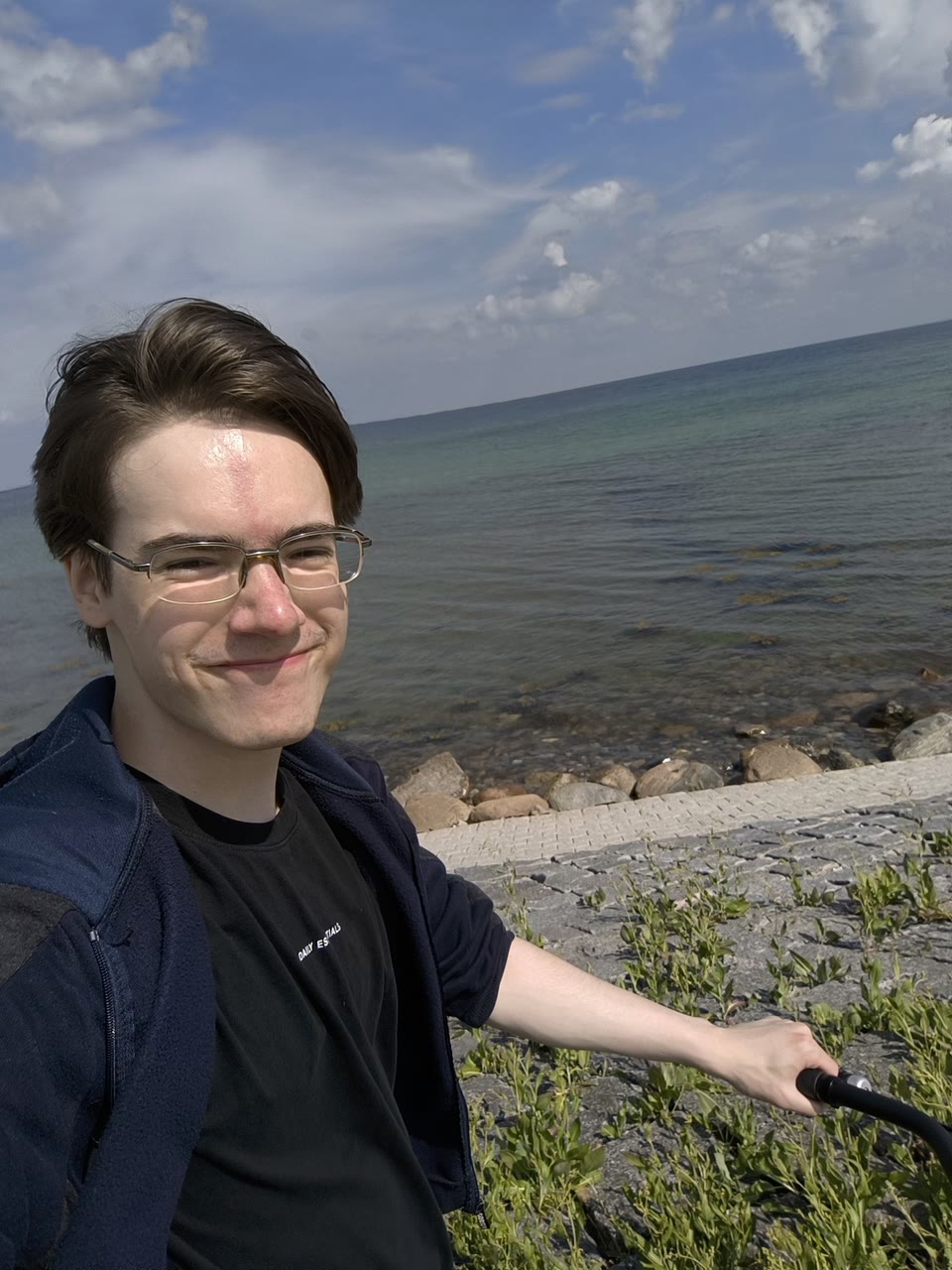
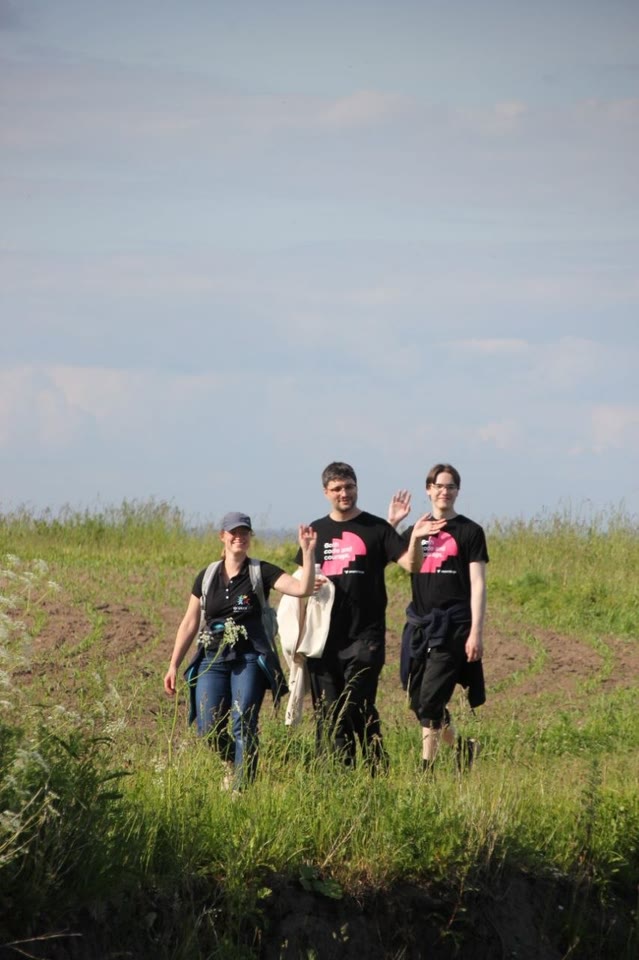
Outside formal work, I like experimenting with small systems: FPV drones, physics simulations, ML models, soldering, and weird side projects that turn abstract rules into something visible or usable.


Latest writing.
The latest three articles from my Medium blog about AI, data science, Linux, and things I'm learning while building.
- Vibe Machine Learning: Using GenAI for ML, AI and R&D The rise of AI tools has affected many people across different areas of IT. But the field that has been affected the most is, without a…
- AI Agents in Production: What Actually Works (Based on 300+ Deployments) As 2025 comes to an end, everyone wants to wrap themselves in cozy blankets, stare at the Christmas tree, and relax with a mug of hot cocoa. Instead, many data scienti…
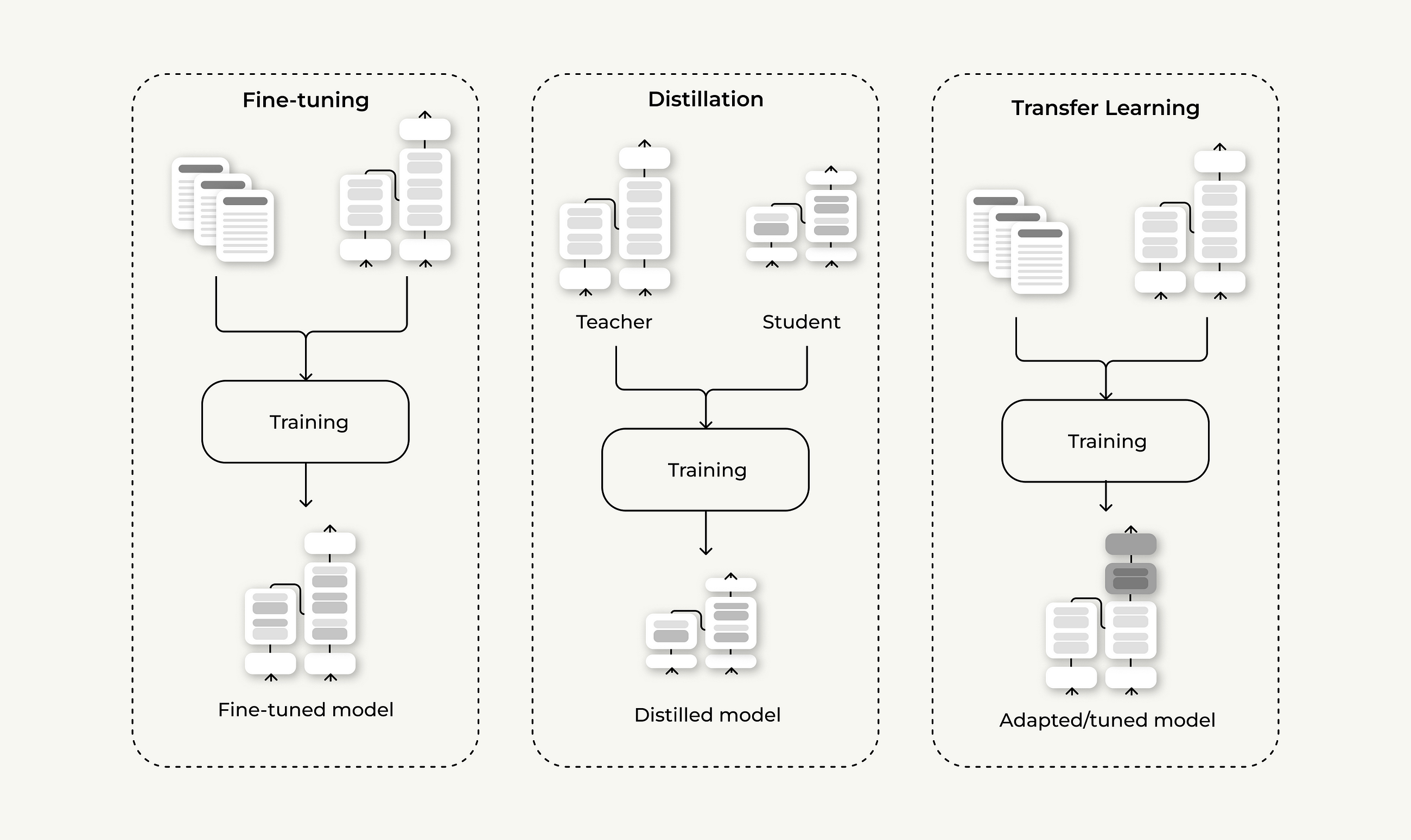
- Fine-Tuning vs Distillation vs Transfer Learning: What’s The Difference? What are the main ideas behind fine-tuning, distillation, and transfer learning? A simple explanation with focus on LLMs.

Want to chat?
If you're working on something interesting - research, AI, physics software, a prototype, or a slightly chaotic idea - feel free to reach out.
A few lines are enough. Tell me what you're doing and what you're looking for.